This article may contain affiliate links. If you buy through them, Balanced & Thriving may earn a small commission at no extra cost to you. Learn more.
In a world filled with distractions, cultivating mental clarity can often feel like trying to capture smoke with your bare hands. Our homes, ideally a sanctuary for the mind, can sometimes become cluttered with both physical items and the chatter of daily life. Crafting specific rhythms within our living spaces can help clear away the noise, providing both structure and peace.
The Value of Routine
The concept of routine often carries a dual reputation. Some praise its ability to create stability, while others dismiss it as a pathway to monotony. Yet, as William James asserted, “The art of being wise is the art of knowing what to overlook.” In the context of our homes, establishing a routine does not mean adhering to a rigid schedule. Instead, it invites us to find our own rhythms that foster clarity and focus.
For example, I have found that beginning my day with a simple morning routine-making my bed, enjoying a cup of tea, and spending a few moments in silence-sets a tone that echoes throughout the hours ahead. This small, consistent practice signals to my mind that it is time to transition from rest to activity. The act of making the bed, while seemingly trivial, is emblematic of a deeper psychological state: it establishes a sense of order and prepares me to face the day.
Creating Physical Boundaries
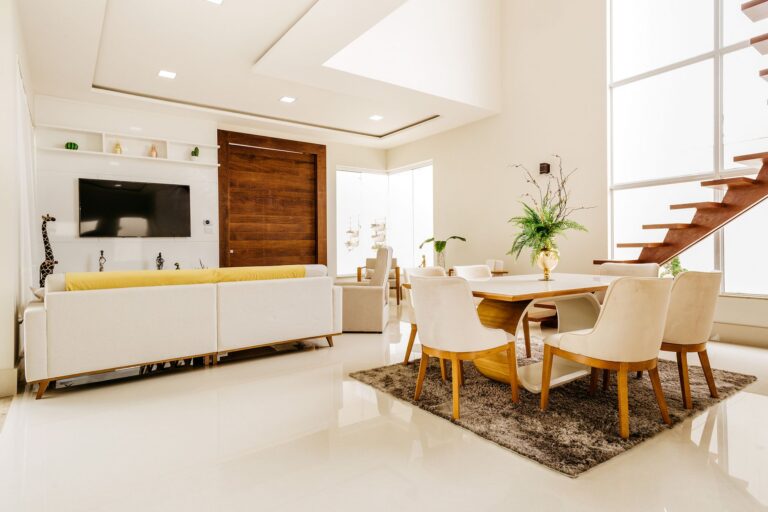
Our homes serve as both retreat and stage for daily life. As such, the physical arrangement of our spaces can communicate a lot about our mental states. Consider how each room in your home serves a particular purpose. The kitchen may embody nourishment, while the living room serves relaxation or socialization. When these spaces begin to blend their functions, we can experience confusion and distraction.
To counteract this, I have established clear physical boundaries within my own home. My work area, for instance, is distinctly separate from my relaxation space. When I sit down at my desk, I remind myself that I am entering a space meant for productivity. Conversely, when I move to my reading nook, I leave behind the weight of professional tasks. This physical delineation helps maintain a sense of mental clarity-when I step away from work, my mind can easily shift gears and embrace different activities.
Establishing Time Rhythms
Time, much like space, can be managed and structured for greater clarity. Embracing the idea of time rhythms relates closely to the principle of balance espoused by Aristotle in his concept of the golden mean. The golden mean suggests that virtue lies in moderation, and the same can be applied to our daily schedules. Too much focus on work can lead to burnout, while excessive leisure can foster stagnation. Achieving balance requires an intentional structuring of our time.
I have found it useful to segment my day into distinct blocks of time, each dedicated to different aspects of life: work, exercise, hobbies, and reflection. For instance, after two hours of focused work, I allow myself a short break to stretch or take a brief walk. These intervals serve as mental reset buttons, allowing me to return to my tasks with renewed clarity and energy.
Incorporating Breaks
In our quest for productivity, it can be easy to overlook the value of breaks. Yet, research consistently demonstrates that allowing for short, intentional pauses during work enhances overall performance and cognitive function. A study conducted by the Draugiem Group found that the most productive people work for 52 minutes, followed by a 17-minute break. This supports the need for rhythm through alternating periods of focus and refreshment.
In practice, I use a timer to enforce these intervals. After 25 minutes of work, I take a five-minute break to stretch or sip tea, and after four such cycles, I allow for a more extended break of 15 to 30 minutes. This simple structure not only sharpens my concentration but also gives me something to look forward to-a small reward for focused effort.
The Role of Light and Sound
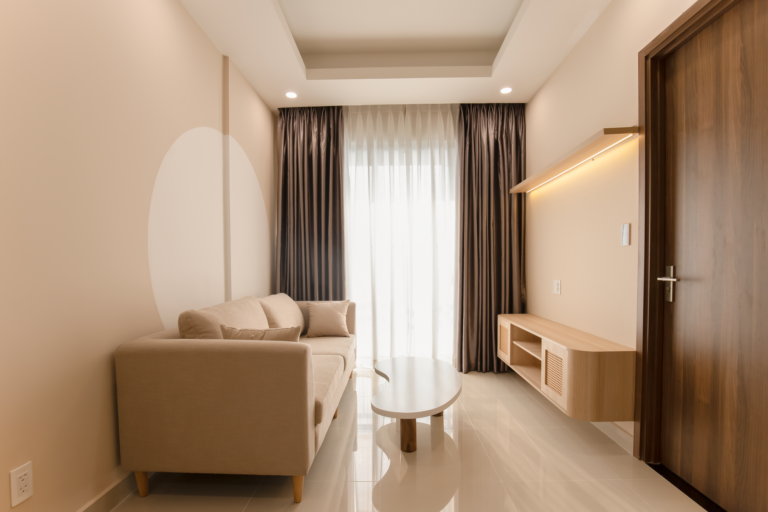
The sensory environment of a home plays a critical role in shaping our mental state. Natural light, for instance, can significantly boost mood and enhance clarity. I have made a point to maximize natural light in my home by keeping windows unobstructed and utilizing lighter drapes. The presence of sunlight not only improves my mood but also fosters a sense of energetic clarity that supports my daily rhythms.
In addition to light, sound can profoundly affect our cognitive state. I have learned to be mindful of the auditory landscape within my home. For focused work, I often listen to instrumental music or ambient sounds that help drown out distractions. Conversely, during moments of relaxation, I gravitate toward nature sounds or silence altogether. Recognizing how these auditory elements influence my thoughts aids in creating the optimal environment for both work and rest.
Decluttering the Mind and Space
Clutter, both mental and physical, can inhibit clarity and create a sense of chaos. The act of decluttering-removing unnecessary items from our living spaces-can provide a refreshing mental reset. Marie Kondo’s philosophy of surrounding ourselves only with items that “spark joy” invites us to reevaluate what we truly need in our environments. In my own experience, I’ve found that a tidy and organized space contributes significantly to mental clarity. When I reduce the amount of visual noise around me, I often notice a parallel reduction in mental noise as well.
Regularly engaging in this decluttering process is a rhythm in itself. I set aside time each month to evaluate my belongings and remove items that no longer serve a purpose. This practice extends beyond physical items to include digital clutter as well, such as unnecessary emails or desktop files. Through this consistent effort, I cultivate a clearer mental state alongside a simplified physical space.
Mindfulness Practices for Clarity
Integrating mindfulness into daily life offers a straightforward yet profound method for enhancing clarity. Mindfulness encourages us to be present and aware, creating a space for reflection and mental organization. I have found that dedicating as little as five minutes each day to meditation or breath awareness can bring significant clarity and focus to my thoughts. This small investment of time can foster a cascade of positive effects throughout my day.
Engaging in mindfulness practices can be as simple as taking a moment to sit quietly, breathe deeply, and observe your thoughts without judgment. By allowing ourselves this mental pause, we create the conditions for greater clarity and focus in our daily activities. The writings of Thich Nhat Hanh resonate here; he reminds us that “the present moment is filled with joy and happiness. If you are attentive, you will see it.”
Finding Your Own Rhythm
Ultimately, the key to creating rhythms at home for mental clarity lies in understanding your own preferences and lifestyle. Just as I have developed my rhythms through trial and error, you too will discover what works best for you. Perhaps you thrive in a more spontaneous environment or find comfort in a dependable schedule. The important thing is to remain attentive to your needs and to experiment with different rhythms until you find the blend that nurtures your mental clarity.
By creating intentional routines, establishing physical and temporal boundaries, and incorporating mindfulness practices, we can foster a sense of balance in our homes. This balance, in turn, promotes mental clarity, allowing us to navigate the complexities of daily life with greater ease. Embracing these rhythms does not mean stifling spontaneity; rather, it enhances our ability to flourish amid the inevitable chaos of modern existence.
In conclusion, cultivating a home environment that supports mental clarity involves establishing intentional rhythms that resonate with your unique lifestyle. By prioritizing routines, decluttering both your space and mind, and being mindful of your sensory environment, you can create a sanctuary that nurtures clarity and balance. The small corrections we make in our daily practices can lead to significant shifts in our overall well-being.