This article may contain affiliate links. If you buy through them, Balanced & Thriving may earn a small commission at no extra cost to you. Learn more.
On a chilly evening, I often find myself gravitating toward a bowl of steaming tomato soup accompanied by a grilled cheese sandwich. This combination, simple though it may be, evokes memories of childhood and a sense of safety. Comfort foods, much like the worn pages of a favorite novel, hold a special place in our hearts-a blend of nostalgia, warmth, and emotional satisfaction. As I consider the role these foods play in our lives, it seems fitting to explore the intersection of comfort, nourishment, and emotional well-being.
The Psychological Basis of Comfort Foods
Comfort foods can be described as those meals that bring us emotional satisfaction, often linked to memories or cultural backgrounds. They are not merely about taste; they serve a deeper psychological function. Research indicates that indulging in comfort foods can trigger the release of dopamine, a neurotransmitter associated with pleasure and reward. This biochemical response explains why a dish like macaroni and cheese, with its creamy texture and rich flavors, can provide more than just sustenance-it also offers solace during stressful times.
In my early twenties, I experienced a particularly taxing period while transitioning from school to the workforce. Amid the uncertainty and anxiety, I found myself returning to my grandmother’s recipe for chicken pot pie. The act of preparing the dish became a ritual, one that connected me with my roots and provided a sense of stability. This emotional anchoring is not uncommon; food can serve as a bridge to our past, enabling us to process feelings and navigate life’s complexities.
Common Ingredients and Their Symbolic Weight
Many comfort foods share common ingredients that often resonate with personal or cultural significance. Potatoes, for instance, feature prominently in numerous comfort dishes, from mashed potatoes to potato soup. Their versatility and heartiness make them a reliable source of sustenance, yet they also symbolize home and familial connection. In a study published in the journal “Appetite,” researchers found that participants reported feeling more secure and connected when consuming meals made with ingredients tied to their upbringing. This speaks to the connection between comfort foods and our broader life narratives.
- Pasta: The gloriously simple yet infinitely customizable nature of pasta makes it a canvas for comfort. Whether it is a rich carbonara or a straightforward bowl of spaghetti and marinara, the act of twirling pasta can evoke feelings of warmth and familial ties, particularly in Italian culture.
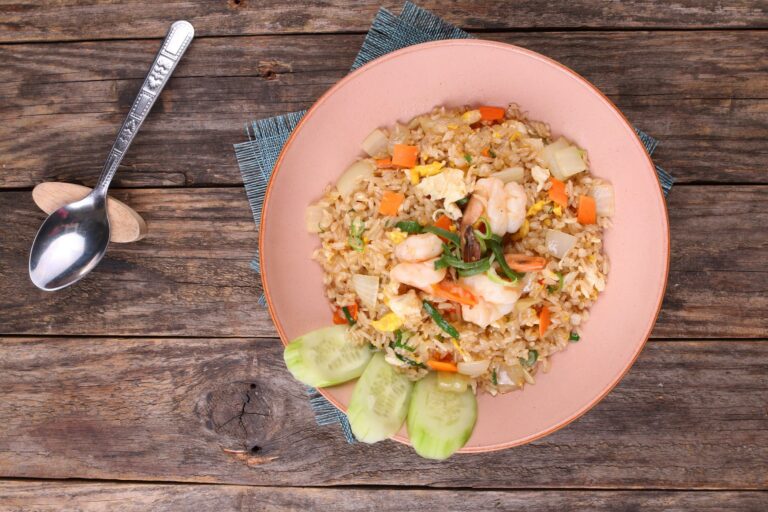
- Rice: In many cultures, rice serves as a staple food and a symbol of sustenance and community. A bowl of risotto or fried rice brings a sense of togetherness, often enjoyed in communal settings.
- Sweets: Dessert can also serve as comfort food, especially when it ties back to cherished memories. I recall the smell of chocolate chip cookies wafting through my childhood home, creating a sense of belonging that extended beyond the kitchen.
The Role of Ritual in Comfort Foods
Beyond the act of eating, the rituals surrounding comfort foods play a significant role in their emotional weight. Engaging in the preparation of a favorite dish can become a meditative practice, providing a break from the chaos of daily life. This aligns with William James’ philosophy regarding the importance of habits and rituals in our lives. James suggested that routines and familiar patterns offer stability and help anchor our emotional states.
In my own life, I have found solace in the weekend ritual of baking bread. As the dough rises and the aroma fills the kitchen, I am drawn into a meditative state that allows me to process the week’s stresses. The act of kneading becomes a physical manifestation of my thoughts, and the warm, crusty loaf that emerges serves both as nourishment for my body and a balm for my spirit.
Comfort Foods and Balance in Diet
While comfort foods provide emotional solace, it’s crucial to remember that balance is key. Relying solely on these dishes could lead to nutritional imbalances and health concerns. The Stoics, particularly Epictetus, emphasized the importance of moderation and self-control. This philosophical framework can be applied to our relationship with comfort foods by encouraging us to enjoy them mindfully and in moderation.
In practice, this means embracing comfort foods as part of a broader, balanced diet rather than viewing them as indulgences to be avoided. For instance, enjoying a slice of homemade pie after a healthful meal can enhance our overall experience of nourishment. Rather than framing it as a guilty pleasure, it can be appreciated as a moment of joy. This approach resonates with Aristotle’s notion of the golden mean, which advocates for finding balance and moderation in all aspects of life.
Mindful Eating and Emotional Connections
As we explore comfort foods, the concept of mindful eating becomes particularly relevant. Being present while eating allows us to fully appreciate the flavors, textures, and memories associated with our meals. This practice can enhance our emotional connection to food, transforming the act of eating into a more enriching experience.
One evening, as I savored a bowl of warm butternut squash soup, I took a moment to reflect on the origins of the ingredients and the journey they made to my table. Each spoonful was not merely a means of nourishment but also a reminder of the farmer’s hard work, the changing seasons, and the abundance of nature. This practice of gratitude and awareness can heighten our enjoyment of comfort foods, making them even more fulfilling.
Conclusion
Comfort foods occupy a unique space in our emotional and psychological lives, offering solace and connection amid the hustle and bustle of modern existence. While they are often tied to memories and familial traditions, their significance extends beyond nostalgia. By embracing these foods mindfully and balancing them with a varied diet, we can cultivate a deeper appreciation for both nourishment and emotional well-being. In the end, comfort foods remind us of the simple joys in life-fleeting moments that, when savored, enrich our lives in profound ways.