This article may contain affiliate links. If you buy through them, Balanced & Thriving may earn a small commission at no extra cost to you. Learn more.
In our fast-paced digital age, the ability to be present has become a rare and often elusive skill. Notifications ping, social media beckons, and the constant hum of information can make it challenging to focus on the here and now. The art of presence is about cultivating awareness and finding balance amid distractions, a value that resonates deeply with my own experiences. By learning to be fully engaged in the moment, we can enhance our quality of life, nurture our relationships, and improve our overall well-being.
The Burden of Multitasking
Multitasking has long been heralded as a skill, but research suggests that it may be more myth than miracle. A study conducted by the American Psychological Association found that multitasking can lead to a decrease in productivity and an increase in errors. When our attention is divided, we sacrifice depth for breadth, skimming the surface of tasks rather than engaging with them meaningfully. In my own life, I have often encountered moments where I attempted to juggle multiple responsibilities-responding to emails while cooking dinner, for instance. I would inevitably find myself burning the vegetables or missing important points in conversations, leaving me frustrated and exhausted.
Digital Distractions
The smartphone, often a pocket-sized portal to distraction, has changed how we interact with the world. Social media, apps, and endless notifications can pull us out of our immediate environment and into a vortex of comparison and scrolling. I recall a particular evening spent with friends, where I found myself distracted by constant pings from my device. I would glance at the screen, only to realize that I had missed a punchline, a shared laughter, or a moment of connection. These slip-ups pointed to a troubling truth: I was physically present yet emotionally absent.
Practicing Mindfulness
Mindfulness has gained popularity as a remedy for the pervasive distractions of modern life. This practice, rooted in ancient traditions, invites us to cultivate awareness of our thoughts, feelings, and environment without judgment. Mindfulness can be as simple as taking a few conscious breaths before engaging in a conversation or focusing on the sensations of washing dishes. Jon Kabat-Zinn, a pioneer in the field of mindfulness, emphasizes that “wherever you go, there you are.” By recognizing our physical presence in each moment, we can foster a deeper connection with our experiences.
- Start with Small Steps: Incorporate short mindfulness practices into your daily routine. This could be as simple as pausing to notice your breath for a few moments each day.
- Engage Your Senses: Focus on sensory details during everyday activities. Notice the colors of your food, the sounds around you, or the texture of items you handle.
- Limit Technology Use: Set boundaries for screen time, especially during meals and conversations. This can help create space for more meaningful interactions.
The Power of Intentionality
Intentionality plays a crucial role in becoming more present. When we approach our tasks, interactions, and even our leisure time with intention, we cultivate a sense of purpose. This approach echoes Aristotle’s concept of the golden mean-striking a balance between excess and deficiency. By intentionally choosing how we spend our time, we can create a more fulfilling, meaningful existence.
One personal example stands out in this regard. I once attended a gathering with friends, determined to engage fully. I left my phone in a different room, inviting a sense of freedom from distraction. As conversations flowed and laughter echoed, I realized how much richer the experience was without the interference of digital notifications. I found joy in listening to stories and sharing my own, fostering a connection that felt holistic and grounded-not interrupted and fragmented.
The Role of Nature
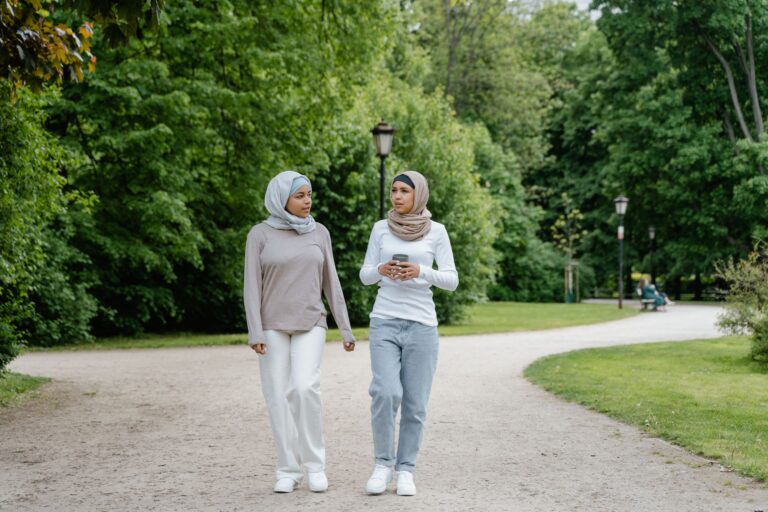
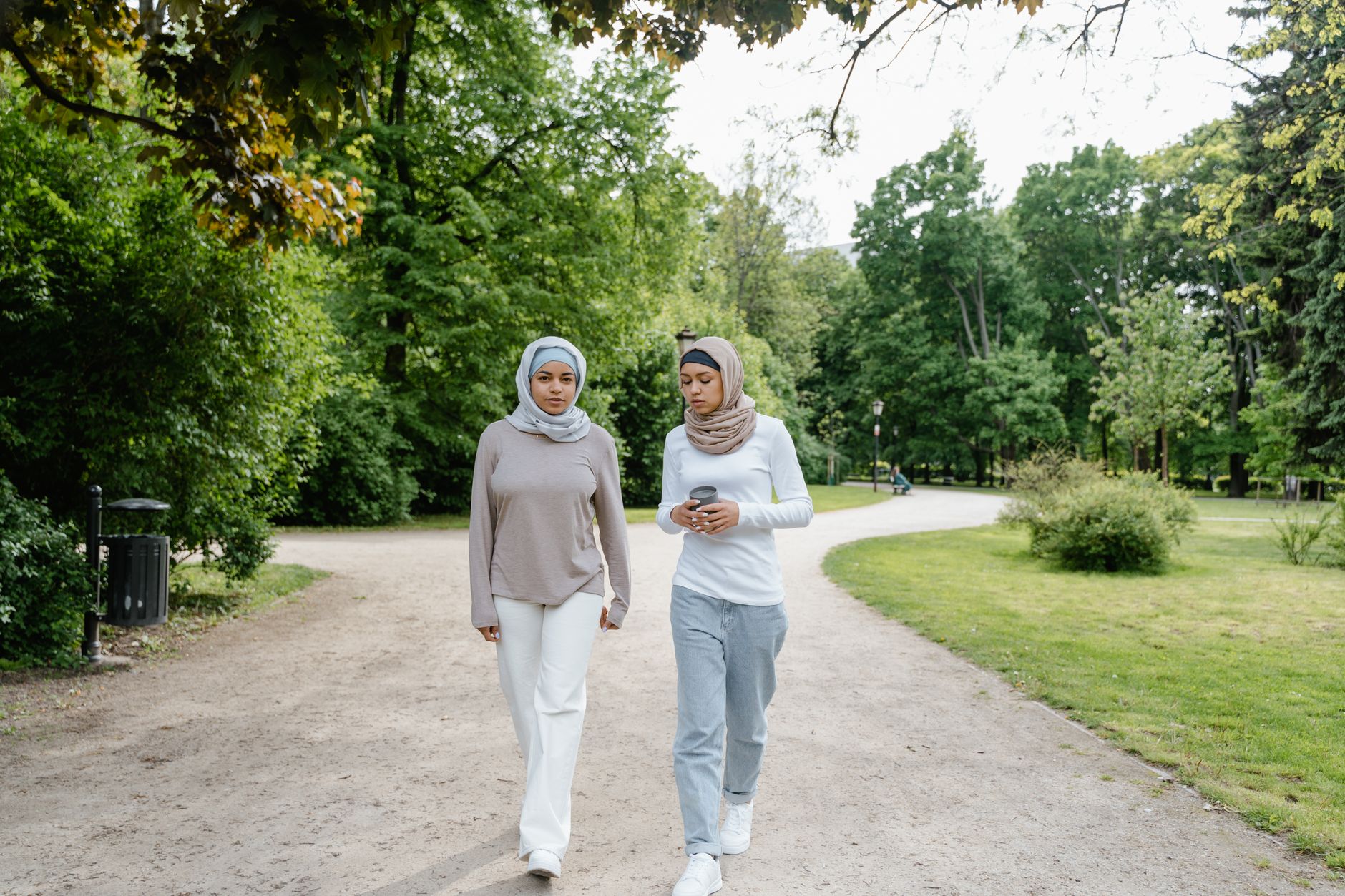
Spending time in nature can also facilitate presence. Research indicates that immersion in natural surroundings can reduce stress, improve mood, and enhance cognitive function. In my life, I have found solace in hiking, where the rhythm of my footsteps and the sound of rustling leaves pull me into the moment. When I step into a forest or walk along a winding path, I engage with my surroundings and leave behind the demands of daily life. This experience reminds me that the world outside our screens can offer a powerful antidote to distraction.
The Connection Between Presence and Relationships
Being present is essential for fostering authentic relationships. When we engage wholeheartedly with others, we communicate respect and care. I have noticed that when I commit to being fully present during conversations, relationships deepen. Friends and family appreciate the attention and connection that comes when we are not preoccupied with our digital devices. The simple act of maintaining eye contact and actively listening can transform interactions into genuine dialogues. The philosopher Martin Buber spoke of the importance of “I-Thou” relationships, which are grounded in mutual recognition and presence. These interactions are not merely transactional; they become opportunities for meaningful connection.
Embracing Imperfection
In our quest for presence, it is crucial to acknowledge that perfection is unattainable. There will be days when distractions overwhelm us or when our minds wander. Embracing this imperfection allows us to approach presence with kindness toward ourselves. Instead of berating ourselves for not being present, we can gently guide our attention back to the moment. William James, a pioneering psychologist, proposed that consciousness is a stream, ever-changing and flowing. Recognizing this fluidity can help us cultivate a more forgiving relationship with our own experiences.
- Practice Self-Compassion: Accept that distractions will occur and approach them with kindness rather than judgment.
- Reflect and Reset: Take a moment to pause and reflect on what may have pulled you away from the present. Use this reflection as a guide for future interactions.
- Celebrate Small Wins: Acknowledge moments when you find yourself fully present, no matter how fleeting. This reinforces the habit and encourages growth.
Conclusion
The art of presence in a distracted world requires conscious effort and practice. By actively engaging in mindfulness, setting intentions, and nurturing our relationships, we can cultivate a life that prioritizes being present. Each small step we take to engage with our surroundings, limit distractions, and deepen our connections contributes to a more balanced and fulfilling existence. While the barrage of modern distractions will persist, we have the power to choose how we respond. In the end, it is the moments that fill our lives with purpose and connection that truly matter.