This article may contain affiliate links. If you buy through them, Balanced & Thriving may earn a small commission at no extra cost to you. Learn more.
In the hustle and bustle of modern life, the spaces we inhabit can be crucial to our overall well-being. I have often found that my home serves as a reflection of my internal state-when my surroundings feel chaotic, it is often a signal that my mind is not as ordered as it could be. Integrating elements of nature into our living spaces can foster a calmer, more nurturing environment. This connection to the natural world is not merely aesthetic; it has deep psychological and physiological implications.
The Biophilic Design Concept
Biophilic design is a term popularized by architect Stephen Kellert, who argues that humans have an intrinsic connection to nature. His work suggests that incorporating natural elements into our environments can enhance our health and well-being. While biophilia might sound like a trendy buzzword, its underlying principles have been around for centuries. Ancient philosophers like Aristotle observed the harmony of nature and advocated for a balanced life, echoing the idea that our surroundings significantly impact our psychological state.
Nature and Mental Well-Being
Recent studies support the notion that nature impacts mental health positively. For instance, research has shown that exposure to natural elements can reduce stress, increase creativity, and even improve cognitive function. I recall a summer afternoon spent in my small garden. With each weed pulled and flower planted, I felt a sense of tranquility wash over me. This simple act of engaging with nature reminded me that my home could indeed be a sanctuary.
Incorporating Natural Light
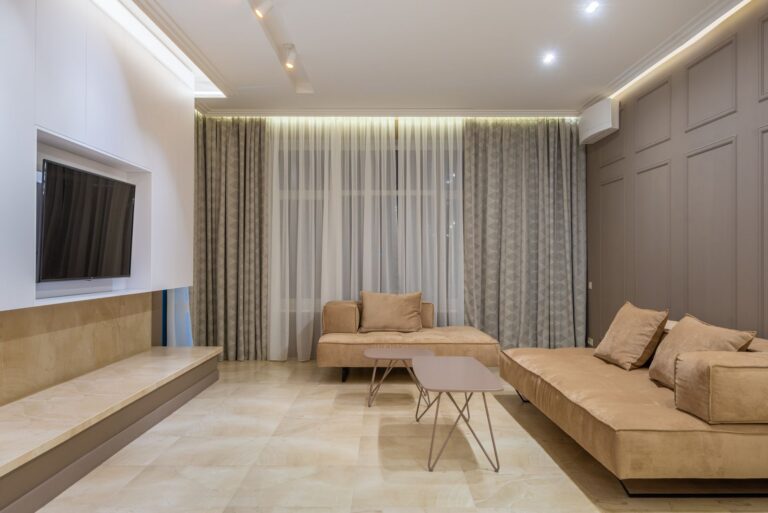
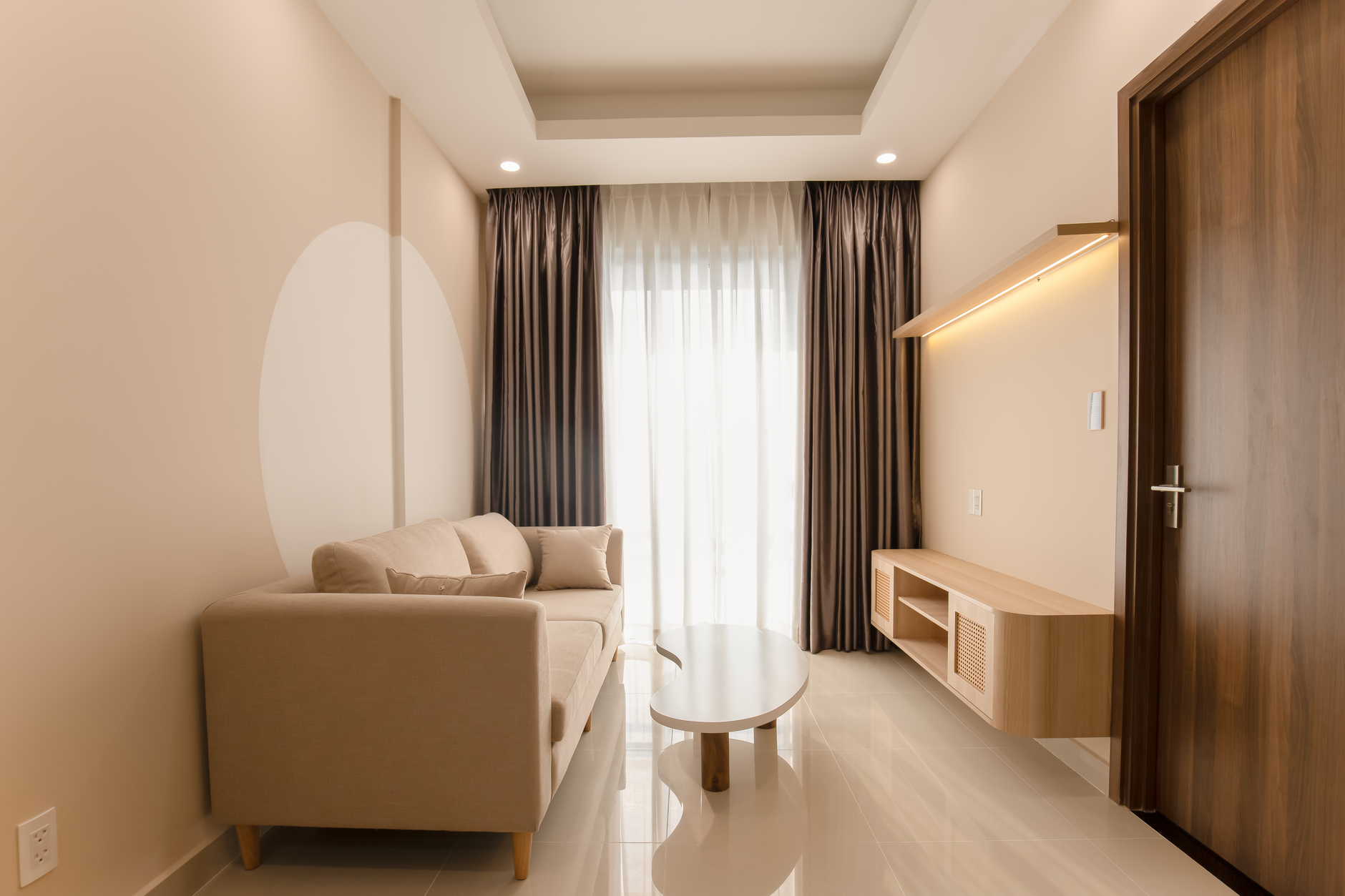
Natural light is one of the most transformative elements you can incorporate into your home. Studies have demonstrated that exposure to daylight can improve mood and increase productivity. When I moved to a new apartment with large windows, the difference was palpable. The cheerful morning sun illuminated the rooms and lifted my spirits. This daylight not only enhanced my living space but also encouraged a healthier daily rhythm. The interplay of light and shadow can influence our energy levels and even our sleep patterns. The natural cycles of light remind us of the world outside, creating a connection to the larger environment.
The Power of Plants
Adding plants to your home can significantly contribute to a nurturing atmosphere. Numerous studies indicate that indoor plants can improve air quality and reduce stress levels. I have several potted plants scattered around my living room and kitchen, each selected not only for beauty but also for their air-purifying properties. The act of caring for these plants has an added benefit; it creates a sense of responsibility and connection. As I water them each week, I am reminded that nurturing another living thing fosters a sense of calm and purpose within myself.
- Spider Plant: Known for its air-purifying qualities, it’s resilient and easy to care for.
- Pothos: A hardy plant that thrives in various light conditions and helps to reduce indoor air pollutants.
- Peace Lily: Not only beautiful with its white flowers but also efficient at improving indoor air quality.
Natural Materials and Colors
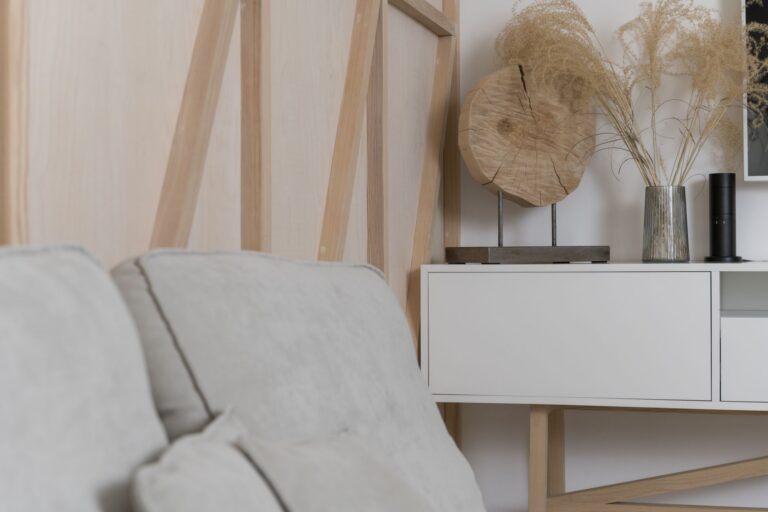
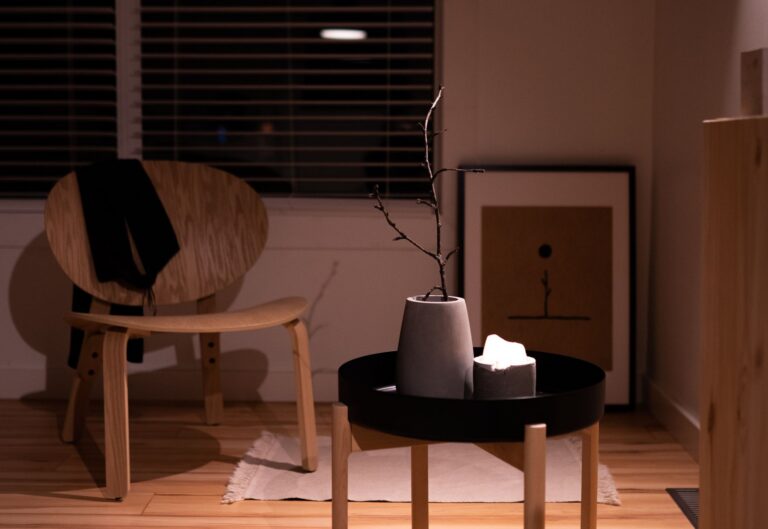
The materials and colors within our homes play a significant role in how we feel. Opting for natural materials such as wood, stone, and clay can create a grounding effect, connecting us to the earth. In my own home, I have chosen reclaimed wood furniture that carries a history and warmth absent in mass-produced items. The grain and texture invite touch and contemplation, fostering a connection to craftsmanship that is often lost in an age of plastic and synthetic materials.
Color also influences our mood and perceptions. Earthy tones such as greens, browns, and soft blues can create a calming ambiance, while brighter colors can energize a space. I have painted one wall in my living room a soft sage green, reminiscent of the hills outside my window. Whenever I see it, I am reminded of my favorite hiking trails and the restorative power of nature.
Creating Outdoor Spaces
If feasible, designing outdoor spaces can further nurture our connection to nature. A balcony, patio, or garden can become an extension of your home, providing a private oasis for relaxation and contemplation. I have crafted a small seating area in my backyard, complete with a few chairs and a small table. It has become my go-to spot for morning coffee and evening reflections. The sounds of birds and the rustling of leaves create a soothing backdrop, inviting me to slow down and appreciate the moment.
The Psychological Benefits of Nature
The psychological benefits of engaging with natural spaces extend beyond individual well-being. A growing body of research points to the idea that communities with green spaces tend to be healthier and more cohesive. Access to nature fosters social interactions and a sense of belonging. When I walk through my local park, I often see families and friends gathered, creating bonds over shared experiences in the open air. The interconnectedness of nature, community, and individual well-being cannot be overstated.
Mindful Connection with Nature
Mindfulness practices, such as walking in nature or simply sitting outdoors, can deepen our connection to the environment. This can be as simple as taking a five-minute break to breathe in fresh air or listen to the sounds surrounding you. I have found that even short moments spent outside can reset my mind and provide clarity amid a busy day. These practices remind us to engage our senses, grounding us in the present moment and reinforcing our connection to the natural world.
Balancing Nature and Technology
In today’s digital age, balancing our connection to nature with technology can be a challenge. While technology has its benefits-streamlining tasks and enhancing communication-overreliance can disconnect us from the natural world. Setting boundaries around technology usage, such as designated tech-free zones or times for family gatherings, allows us to cultivate a more nurturing home environment. I have instituted a “no screens at the dinner table” rule, which not only encourages conversation but also fosters gratitude for the food and company we share.
Conclusion: Designing a Nurturing Home
The role of nature in designing a nurturing home cannot be understated. From the materials we choose to the plants we nurture, each element contributes to a holistic sense of well-being. By intentionally incorporating natural elements and fostering mindfulness, we can create spaces that not only reflect our values but also support our mental and emotional health. In my continuous journey to achieve balance, I have found that the smallest changes-such as placing a potted plant on my desk or opening a window to let in fresh air-can yield profound effects. Nature invites us to slow down, breathe deeply, and appreciate the simple beauty surrounding us, reminding us that our homes can be sanctuaries for both body and mind.