This article may contain affiliate links. If you buy through them, Balanced & Thriving may earn a small commission at no extra cost to you. Learn more.
In today’s fast-paced world, the notion of productivity often conjures images of bustling cafes, dynamic co-working spaces, and open-plan offices buzzing with energy. However, these environments can be counterproductive for many. The drive for constant engagement may overshadow a quieter yet profoundly impactful approach: the creation of uninterrupted workspaces. By fostering environments dedicated solely to focused work, we can tap into a deeper level of productivity and creativity.
The Nature of Distraction
Distractions are an inherent part of our modern lives. Notifications from our devices, the chatter of nearby colleagues, and even the incessant pull of social media can fragment our attention. According to studies from the University of California, Irvine, it takes an average of 23 minutes to regain focus after an interruption. This statistic might sound alarming, yet it resonates with my own experiences. I often find that after a brief distraction, it takes considerable time to return to the flow state I briefly inhabited before being interrupted.
Interruptions do more than simply delay our progress; they can also lead to a decrease in work quality. The concept of “cognitive switching” explains that our brains struggle to transition smoothly between tasks, which can inadvertently diminish our ability to produce high-quality work. This is where the importance of an uninterrupted workspace becomes apparent.
Defining the Uninterrupted Workspace
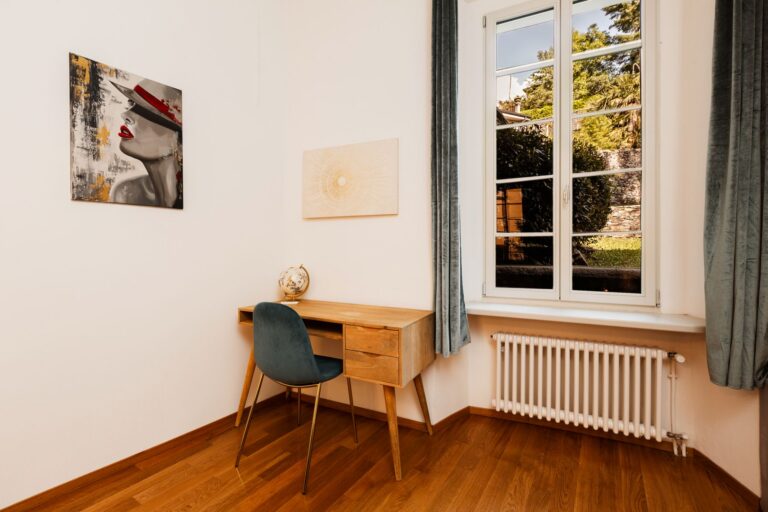
An uninterrupted workspace is not merely a physical location; it is a state of being that allows for deep concentration. Such spaces are characterized by minimal distractions, both environmental and psychological. They can be as simple as a dedicated home office, a specific corner of a room, or even a quiet corner of a library. The key is consistency and the establishment of boundaries that signal to ourselves and others that focused work is taking place.
In my own life, I have found that designating a small area in my home specifically for writing has transformed my productivity. By surrounding myself with only the materials I need-a notebook, a pen, and perhaps a cup of herbal tea-I create an environment conducive to deep thought and creativity. It is a space where I can step away from the noise of daily life, dive into my work, and emerge with a clearer mind.
The Impact of Environment
Our environments play a crucial role in shaping our ability to concentrate. Research from the field of environmental psychology highlights that factors such as lighting, noise levels, and even the color of walls can influence our productivity. For instance, studies suggest that warm lighting can improve focus, while excessive noise can hinder our cognitive abilities.
- Lighting: Natural light is often hailed as the most effective form of illumination for workspaces. It not only helps regulate our circadian rhythms but also improves mood and overall cognitive performance.
- Noise Levels: A quieter environment fosters concentration. Music can sometimes help, but experimentation is key to finding what works best for you. I prefer instrumental music without lyrics, as it helps me focus without pulling my attention away from the task at hand.
- Colors: While individual preferences vary, studies indicate that colors like blue and green can enhance productivity and creativity, while muted tones may promote calmness.
Establishing Boundaries
Creating an uninterrupted workspace requires establishing firm boundaries with ourselves and with others. This may involve informing colleagues or family members of your dedicated work hours, or employing tools such as “Do Not Disturb” signs or apps that limit notifications. The Stoic philosopher Seneca once remarked, “We suffer more often in imagination than in reality.” In many cases, the fear of missing out or the need to be constantly available can prevent us from fully engaging with our work.
In my case, I’ve taken to scheduling specific blocks of time in my calendar for focused work. In doing so, I signal to myself that this time is sacred. This commitment to uninterrupted work not only enhances my productivity but also helps cultivate a deeper sense of respect for my own time.
The Role of Rituals
In addition to physical environments, the establishment of rituals can enhance our ability to engage in uninterrupted work. Rituals create a psychological cue that signals our brains it is time to focus. This might involve a simple routine, such as a few minutes of breathing exercises, a short walk, or even a cup of coffee before diving into work.
William James, a pioneer in psychology, emphasized the importance of habits and rituals in shaping our lives. He noted that the actions we perform regularly become an integral part of our identity. By incorporating rituals into our work routine, we can lower the activation energy required to enter a deep work state. For example, I often begin my writing sessions with a few minutes of stretching and deep breathing, which helps clear my mind and signals that it is time to concentrate.
Embracing the Silence
Creating an uninterrupted workspace is not merely about limiting distractions but also about embracing silence. Silence provides the mental space necessary for reflection, creativity, and deep thinking. It allows ideas to emerge without the noise of external influences clouding our judgment. In her book “Silence: The Power of Quiet in a World Full of Noise,” author Thich Nhat Hanh explores the transformative power of silence and the importance of finding moments of stillness in our lives. He argues that silence is not just an absence of sound but a presence of clarity and focus.
In my own life, I have observed how carving out moments of silence during my workday has led to a surge in creativity. When I allow myself the space to think without interruption, new ideas naturally surface. Whether it is through meditative silence or simply stepping away from my desk for a few minutes, these moments allow me to reconnect with my thoughts and better articulate them when I sit down to write.
Adjusting Expectations
Finally, it is essential to adjust our expectations surrounding productivity and the idea of an uninterrupted workspace. In a culture that often glorifies busyness, it can be challenging to accept that not every moment will be filled with activity. The key is to focus on the quality of our work rather than the quantity of our output. Aristotle’s concept of the golden mean, which advocates for balance and moderation, can be a useful lens through which to view our productivity. Instead of striving for perfection in every work session, we should aim to find a balance between focused work and necessary breaks.
In practice, this means recognizing that some days will be more productive than others, and that’s perfectly acceptable. Accepting this reality has allowed me to approach my work with greater compassion and understanding, leading to a more balanced and sustainable workflow.
Conclusion
The silent power of creating uninterrupted workspaces lies in their ability to facilitate focus, enhance creativity, and promote balance in our lives. By actively designing our environments, establishing boundaries, and embracing silence, we can cultivate a state of being that allows for deep and meaningful work. In a world filled with distractions, the quiet sanctuary of an uninterrupted workspace might just be the key to unlocking our potential.