This article may contain affiliate links. If you buy through them, Balanced & Thriving may earn a small commission at no extra cost to you. Learn more.
In the embrace of our modern lives, clutter has a way of creeping in, a silent thief of time and attention. I have found that in reducing the physical noise around me, I create space for deeper engagement with what truly matters. Minimalism is often cast as an extreme lifestyle, one that champions austere living and rigid rules. However, I prefer to think of it as a gentle philosophy-a quiet power that can be harnessed in everyday life, bringing balance and clarity to our crowded minds and homes.
Understanding Minimalism
At its core, minimalism advocates for intentionality. It encourages us to assess our belongings, our commitments, and even our thoughts, and to retain only those that serve a meaningful purpose. As William James articulated in his exploration of the self, we are shaped not only by what we possess but also by what we choose to discard. This idea resonates deeply in my experiences as I navigate the demands of work, family, and personal well-being.
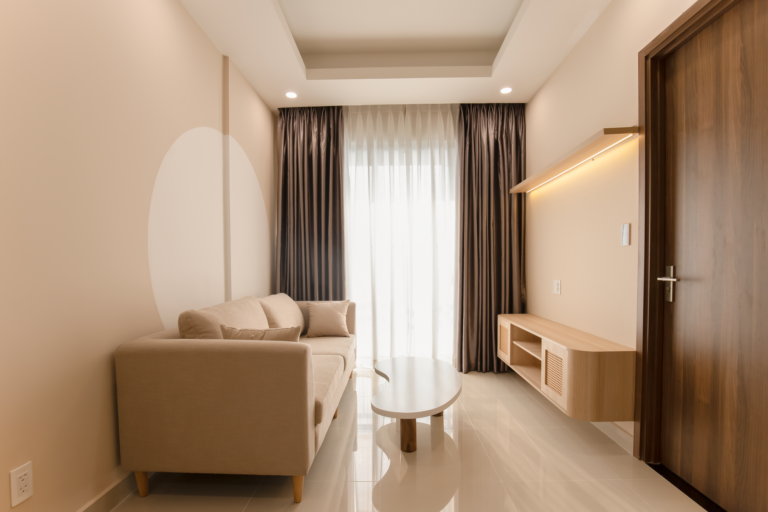
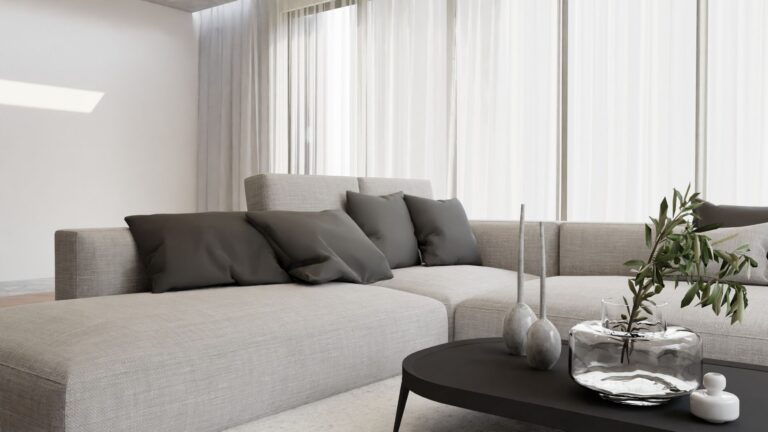
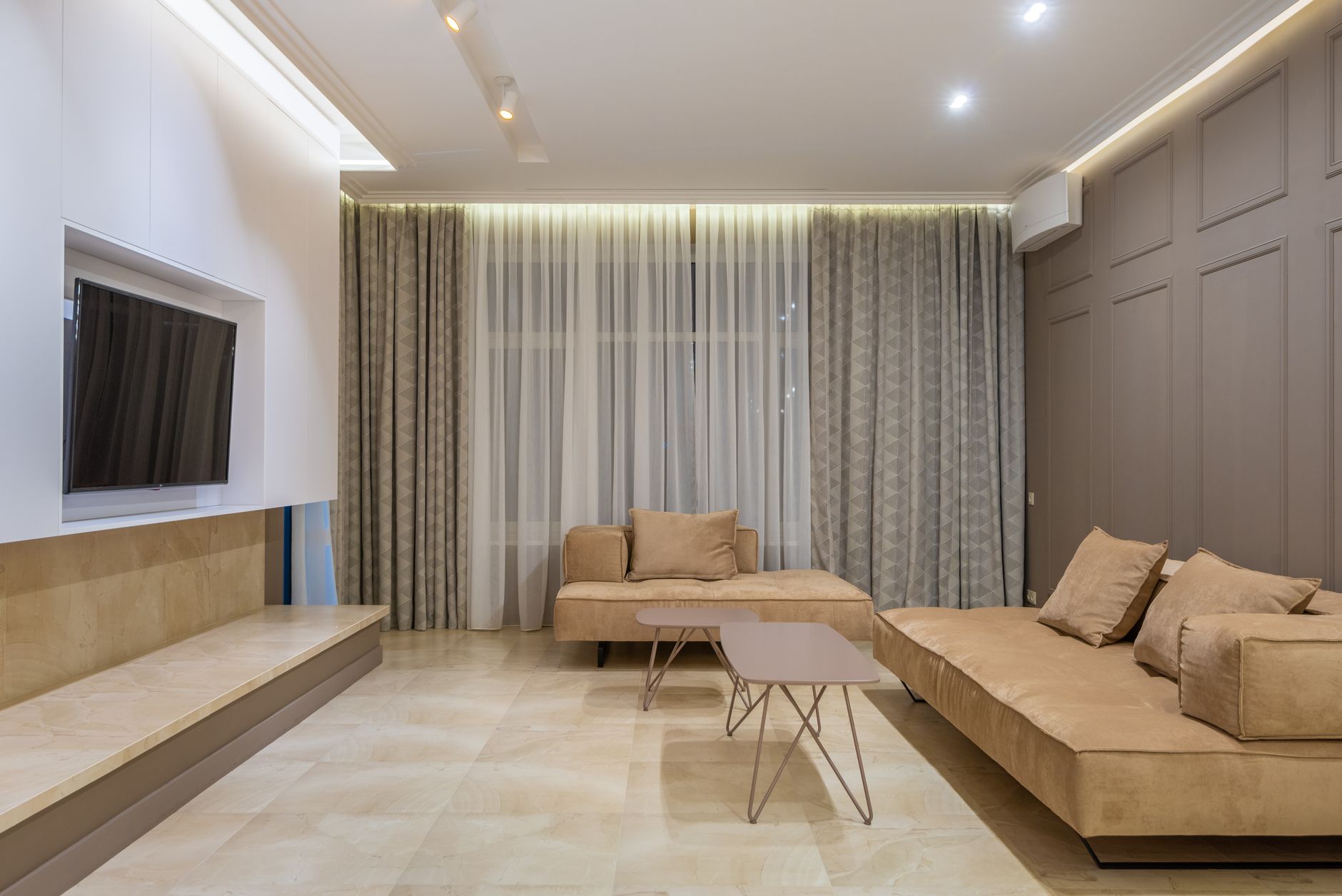
The philosophy of minimalism is not about deprivation; rather, it is about making conscious choices. Consider how many items in your home are truly necessary. Each piece has the potential to either enrich your environment or add to the chaos. I have observed that when I intentionally curate the items I choose to keep, I cultivate a space that reflects my values and aspirations, rather than one that simply houses my possessions.
The Psychological Benefits of Decluttering
Research supports the idea that a cluttered environment can lead to increased stress and decreased focus. A study published in the journal *Personality and Social Psychology Bulletin* found that individuals living in cluttered homes reported higher levels of depression and anxiety compared to those in more organized spaces. This resonates with my own experience of feeling overwhelmed when my desk is strewn with papers, books, and miscellaneous items. Just a few moments spent decluttering often results in a noticeable uplift in my mood and productivity.
Creating a Mindful Space
In my own home, I have discovered that designating specific areas for relaxation versus work can facilitate a healthier mental state. For instance, the corner of my living room serves as a reading nook, adorned with a single chair and a small bookshelf. I intentionally avoid cluttering this space with work-related materials. This simple act of separation not only enhances my ability to unwind but also sharpens my focus when I do sit down to work elsewhere.
A Personal Journey Towards Simplicity
One incident that underscored the value of minimalism occurred during a recent move. While packing, I was struck by the sheer volume of items I had accumulated over the years: clothes I no longer wore, gadgets I had never used, and books I had bought but never opened. Each item represented a decision I had made at some point, but now they felt like shackles rather than treasures. In the spirit of reclaiming space in my life, I sorted through my belongings with a clear intention, asking myself if each item added value to my life. I donated what I could and felt a palpable sense of relief with each box that left my home.
Applying Minimalism to Relationships
Minimalism extends beyond our physical possessions. It also calls for a reevaluation of our commitments and relationships. The Stoics taught us the importance of distinguishing between what we can control and what we cannot. This principle can guide us in assessing our social connections. I often find myself overwhelmed by numerous social obligations that drain my energy. By applying a minimalist mindset, I have learned to say no to events and commitments that do not bring me joy or fulfillment. This recalibration allows me to invest more deeply in the relationships that truly matter.
Curating Experiences Over Possessions
Another aspect of minimalism that I cherish is the focus on experiences rather than material possessions. Aristotle’s concept of the golden mean encourages us to pursue a balanced life, avoiding excess and deficiency. I have found that by prioritizing experiences-like shared meals, outdoor adventures, or simple conversations with friends-I enrich my life without accumulating unnecessary items. The memories created through these moments endure far longer than any object could.
The Practicalities of Minimalism
Implementing minimalism doesn’t require a complete lifestyle overhaul; small, incremental changes can yield significant benefits. I recommend starting with one area of your life that feels particularly burdensome. This could be a closet, a workspace, or even your digital environment. As you declutter, consider the following:
- Assess Value: Ask yourself whether an item serves a clear purpose or brings you joy.
- Set Limits: Consider establishing boundaries for the number of items in a category, such as books or clothing.
- Practice Regular Review: Make it a habit to periodically reassess your belongings and commitments to ensure they continue to align with your values.
Finding Balance in Technology
In our digital age, minimizing does not stop at physical items. Digital clutter can also weigh heavily on our mental well-being. I have made it a habit to declutter my digital devices regularly, unsubscribing from emails that no longer serve my interests and organizing files that tend to accumulate over time. By keeping my digital life as tidy as my physical space, I create a more manageable environment for productivity and creativity.
Minimalism as a Path to Clarity
Ultimately, the quiet power of minimalism lies in offering clarity and a sense of control over our lives. It invites us to reflect on what is essential and to cultivate a lifestyle that prioritizes meaning over mere accumulation. As I navigate the complexities of life, I find comfort in this philosophy, drawing inspiration from both ancient thinkers and my personal experiences.
In a world that often celebrates excess and busyness, embracing minimalism can be a radical act of self-care. By shedding the non-essential, I am reminded of what truly enriches my life: meaningful relationships, enriching experiences, and a sense of peace in my surroundings. As we redefine our spaces, let us also redefine our priorities and find balance in the simplicity of living well.