This article may contain affiliate links. If you buy through them, Balanced & Thriving may earn a small commission at no extra cost to you. Learn more.
In our increasingly busy lives, the kitchen often becomes a neglected space, overshadowed by the demands of work and other obligations. Yet this intimate environment holds the potential not just for nourishment but also for connection. Cooking together, I have found, can be a nourishing practice that fosters relationships. It is a shared experience that weaves together the fabric of our daily lives, offering opportunities for collaboration, creativity, and communication.
The Science of Shared Activities
Research supports the idea that shared activities can enhance relationships. A study published in the Journal of Marriage and Family found that couples who engage in shared leisure activities experience a greater sense of satisfaction and intimacy. Cooking provides an ideal platform for such shared experiences. Whether you are chopping vegetables or stirring a pot, these small interactions can deepen bonds and create lasting memories.
In my own life, I have observed this phenomenon firsthand. One summer, I decided to regularly prepare Sunday dinners with a dear friend. Our routine involved experimenting with new recipes, sourcing fresh ingredients from local markets, and sharing stories as we cooked. These evenings became a cherished tradition that strengthened our friendship and created a space for open conversation.
The Benefits of Cooking Together
Cooking together offers a plethora of benefits that contribute to relationship building. These include:
- Teamwork and Collaboration: Preparing a meal requires cooperation. Each person has a role to play, fostering a sense of partnership.
- Communication: Cooking provides a natural setting for conversation. Whether discussing the meal or sharing personal experiences, communication flows easily.
- Creativity: The kitchen becomes a playground. Experimenting with flavors and techniques fosters creative thinking and can lead to delightful surprises.
- Mindfulness: The act of cooking can ground us in the present moment. Paying attention to the sights, sounds, and smells can create a mindful experience that enhances connection.
Building Skills Together
Cooking can also serve as a means of skill development, both individually and as a team. As we each face different challenges in the kitchen, we can learn from one another. One person may excel at seasoning, while another might have a knack for presentation. This reciprocal learning encourages collaboration and enhances mutual respect.
In my experience, I have often found myself learning how to make traditional family recipes from my parents. These sessions not only teach me culinary skills but also offer a glimpse into my family’s history and traditions. Sharing these moments deepens my bond with my family and enriches my understanding of where I come from.
Creating Rituals and Traditions
The practice of cooking together can lead to the establishment of rituals that strengthen relationships. Regularly preparing meals together provides a dedicated time for connection amidst busy schedules. Rituals create a sense of stability and predictability, which can be especially comforting in our ever-changing lives.
For example, my partner and I have developed a tradition of cooking a themed dinner once a month, exploring the cuisines of different countries. This ritual not only sparks our culinary creativity but also serves as an opportunity to research and learn about diverse cultures together. These meals have become a highlight of our month, fostering togetherness and laughter.
The Role of Conversation in Cooking
As we chop, stir, and taste, the kitchen becomes a conversational hub. Engaging in dialogue while cooking can help people open up about their thoughts and feelings. The physical act of preparing a meal allows for a more relaxed atmosphere. It softens the edges of difficult conversations, making it easier to discuss personal or sensitive topics. This is where the benefits of cooking extend beyond the practical into the emotional realm.
Philosopher and essayist Michel de Montaigne, known for his reflections on life and human relationships, emphasized the importance of shared experiences in fostering meaningful connections. “The most valuable thing we can offer others is our time,” he wrote. Cooking together allows us to offer this precious resource in a tangible way, strengthening the bonds we share with others.
Overcoming Challenges Together
Cooking together is not without its challenges. Clashing ideas about ingredients, cooking styles, or even the organization of the kitchen can lead to moments of tension. However, navigating these challenges can be an opportunity for growth. Learning to compromise and communicate effectively can enhance relationship dynamics, teaching us valuable skills in problem-solving and patience.
One memorable cooking experience involved a recipe that called for a unique ingredient I had never used before. My partner was skeptical, preferring the familiar. In the end, we decided to experiment together, and the dish turned out to be unexpectedly delightful. This experience not only expanded our culinary repertoire but also reinforced our ability to navigate uncertainty as a team.
Mindfulness in the Kitchen
The act of cooking can also serve as a form of mindfulness practice. The repetitive motions of chopping, stirring, and measuring can create a meditative rhythm, allowing us to focus on the present moment. Engaging fully in the cooking process can help us detach from the stresses of daily life and foster a sense of peace.
Incorporating mindfulness into cooking can enhance our overall well-being. According to psychologist Ellen Langer, mindfulness involves actively noticing new things and being open to multiple perspectives. By embracing this concept in the kitchen, we can cultivate a deeper appreciation for the ingredients we use, the effort it takes to prepare a meal, and the time spent with loved ones.
Enjoying the Fruits of Your Labor
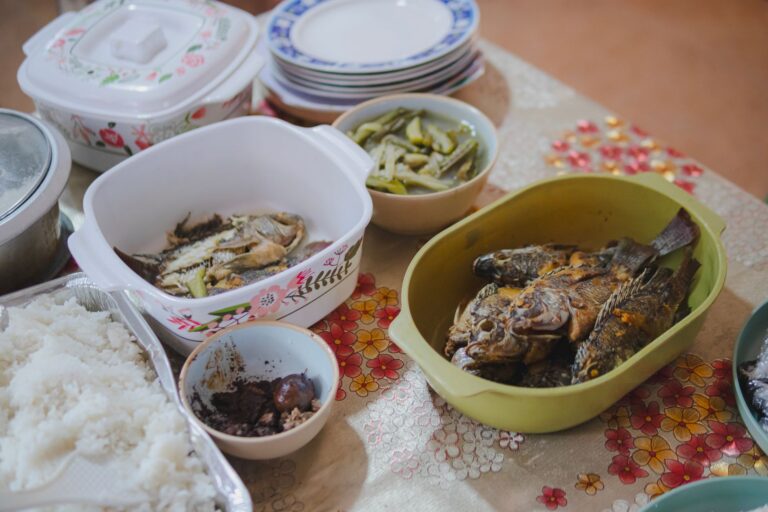
After the cooking process comes the rewarding moment of sharing the meal. Dining together allows us to savor not only the flavors of the dish but also the effort and connection that went into creating it. This shared experience often becomes a highlight of the day, providing an opportunity for reflection and gratitude.
In my own experiences, the dinner table has always been a sacred space for conversation. We share stories, laughter, and reflections over the meal, fostering a sense of closeness that extends beyond the food itself. This sharing of a meal becomes a ritual of connection, reinforcing the relationships that matter most.
Final Thoughts
Cooking together is more than just a practical endeavor; it is an opportunity to nurture our relationships. The kitchen becomes a space where we collaborate, communicate, and create together, fostering bonds that enrich our lives. By embracing this practice, we can cultivate a deeper sense of connection and appreciation for one another.
As we navigate the complexities of modern life, let us not overlook the simple joy of cooking together. Whether you are preparing a meal for family, friends, or loved ones, consider the power of this shared experience. In doing so, we can strengthen our relationships, fostering balance and flourishing in our everyday lives.