This article may contain affiliate links. If you buy through them, Balanced & Thriving may earn a small commission at no extra cost to you. Learn more.
In a world that often celebrates busyness as a badge of honor, the notion of rest can feel nearly rebellious. There was a time in my own life when I equated productivity with worth. Weekends became mere extensions of the workweek, filled with tasks that needed completing rather than genuine recovery. However, I have since learned that meaningful recovery is not just about stopping work; it involves a thoughtful approach to rest that respects boundaries and fosters true rejuvenation.
The Case for Rest
Rest is not an absence of activity but a positive state of being that allows for recovery and reflection. Research consistently shows that adequate rest enhances creativity, decision-making, and overall well-being. A study published in 2014 in the journal “Psychological Science” found that breaks can improve productivity and focus, offering a compelling argument for prioritizing restorative time. Yet, even armed with this knowledge, I often struggled to carve out meaningful breaks in my daily routine.
Understanding the Barriers
Identifying what keeps you from rest is crucial. For many, including myself, the barriers can be internal or external. Internally, the pressure to be constantly productive can lead to guilt when taking time off. Externally, workplace culture may reinforce the idea that busyness equals success. Recognizing these barriers is the first step toward establishing effective boundaries around rest.
Defining Your Boundaries
Setting boundaries requires both clarity and intentionality. I began by identifying specific times each day that I could designate for rest, regardless of how small those periods might seem. For instance, I set a rule for myself: no screens after 7 PM on weekdays. This simple boundary allowed me to engage in more meaningful activities such as reading or practicing mindfulness, contributing to a richer sense of recovery.
Aristotle’s concept of the golden mean comes to mind here; finding a balanced approach to work and rest can yield a more fulfilling life. Too much work can lead to burnout, while too much rest can hinder productivity. Understanding your personal balance is essential. I found that short, intentional breaks of 15-20 minutes throughout the day made a significant difference in my overall productivity and mental clarity.
Creating a Restful Environment
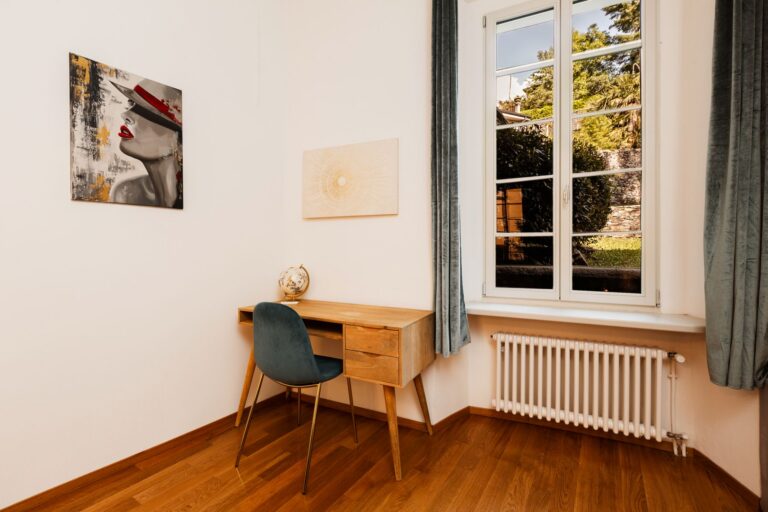
Your environment plays a critical role in facilitating rest. I took a hard look at my space and made adjustments that encouraged relaxation. For instance, I invested in a comfortable chair that invited me to sit and unwind without the pull of my work desk. Furthermore, I incorporated elements that soothe my senses, such as soft lighting and calming scents like lavender. These adjustments transformed my home into a sanctuary for recovery.
Integrating Meaningful Activities
Rest should not be a mindless escape but rather an opportunity to engage in activities that replenish energy. I began incorporating hobbies that I genuinely enjoyed, such as gardening and cooking. These activities not only provided a break from work but also connected me to a sense of purpose. Engaging in meaningful tasks during rest periods can enhance satisfaction and promote a sense of balance in life.
The Importance of Saying No
One of the most powerful tools in establishing boundaries around rest is the ability to say no. I learned, often the hard way, that overcommitting left me drained and resentful. By practicing saying no to unnecessary commitments, I freed up time for genuine recovery. This allowed me to engage more fully in meaningful relationships and activities that mattered. As the philosopher Montaigne observed, time is our most valuable asset, and managing it wisely is essential for a balanced life.
Reassessing Your Schedule
Regularly reassessing your schedule can help ensure that your commitments align with your values and needs. I started conducting weekly reviews, reflecting on how I spent my time and where I could adjust my commitments. This practice of conscious reflection helped me identify areas where I could cut back, allowing more space for rest and rejuvenation.
Embracing Transition Periods
The transitions between work and rest are crucial moments that often go overlooked. I discovered the importance of rituals that signal the end of the workday and the beginning of personal time. For example, I now take a brief walk after finishing work to transition from the demands of the office to my home life. This simple act serves as a mental cue to shift gears and mentally detach from work. Acknowledging these transitional periods can help reinforce the boundaries we set around rest.
Assessing Your Digital Habits
In our hyper-connected world, digital distractions further complicate the quest for restful recovery. I found that setting boundaries around my digital life was essential for creating space for meaningful rest. This included limiting my social media use, particularly during evenings and weekends. Reducing screen time allowed me to engage more fully in rest, rather than passively consuming information that often left me feeling depleted.
Practicing Mindfulness
Mindfulness practices can be particularly effective for enhancing the quality of rest. I began incorporating short meditation sessions into my daily routine, using guided apps to help me cultivate a state of presence. Even a few minutes of mindfulness can create a noticeable shift in my state of mind, making it easier to transition into rest. These practices resonate with the Stoic idea of focusing on what we can control; in this case, our responses to stress and our dedication to self-care.
Resisting the Urge for Constant Productivity
Lastly, a commitment to resisting the societal pressure to always be productive is essential for meaningful recovery. Embracing moments of idleness can be uncomfortable, but it is often during these moments that creativity and insight emerge. I remind myself that rest is not wasted time; it is an investment in long-term well-being and effectiveness. Learning to embrace this mindset has been transformative in my approach to work and recovery.
Conclusion
Reclaiming rest is a subtle yet profound endeavor that requires ongoing attention and effort. By setting clear boundaries, creating a conducive environment, and engaging in meaningful activities, we can cultivate a richer relationship with rest that fosters recovery and balance. As I continue to refine my approach, I am reminded that true well-being is an ongoing practice, one that invites us to continually assess our needs and intentions. It is in this mindful engagement with rest that we find the strength to flourish in all areas of our lives.